THIS WEEK IN CULTURE + THE CULTURE BUSINESS

Alexander Raptotasios: Antigone [On Strike]
We’re very fond of new stuff here at TW Towers, but also quite fond of classic stuff, so we’re pretty much always attracted to work that combines the two, in being a new twist on something well loved and time-worn.
Coming up this week is the opening of ‘Antigone [On Strike]’ at Park Theatre, which sees the structure and story of Sophocles’ play used as the basis for an immersive piece incorporating a contemporary issue – the fate of so-called ‘Isis Brides’.
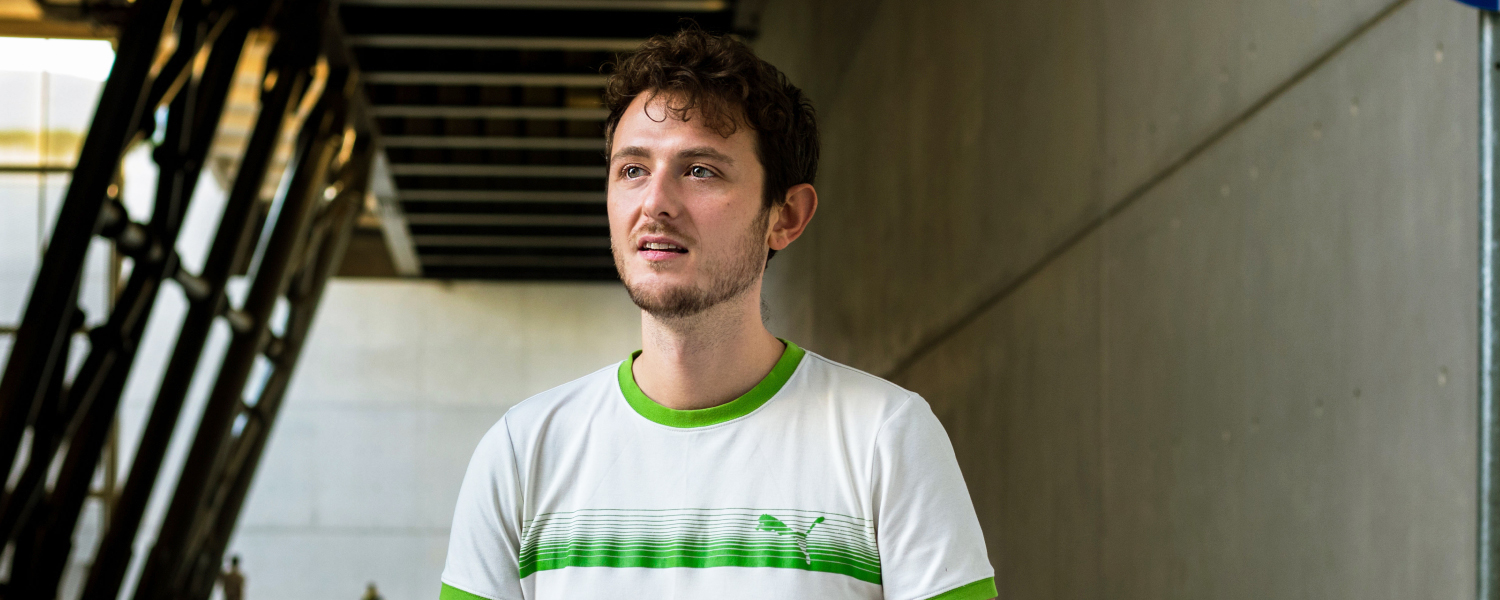
Alexander Raptotasios, AD of producing company Ferodo Bridges, is the writer and director of the piece. I spoke to him to find out more.
CM: This is clearly a rather different ‘Antigone’ – can you tell us about the content of the show and how it differs from the Sophocles play?
AR: This new play has the same core and soul of the original tragedy but what we have done is to choose to say it through a contemporary technology-laced story.
A story that is divisive and can bring the audiences to the same intense dilemma the original play would have done in ancient Athens: can we deny human rights to whomever we deem a state traitor?
This production has also kept the same central characters and structure of the original – which is deemed by scholars as the best structured ancient tragedy. We thought it would be a shame to ruin that.
CM: What would you say are the primary themes of your version?
AR: This is a play about tragic love, family and politics.
About how democracy often has to make a choice between individual and group rights; about the limits of the government’s reach into people’s lives and the concept of human fate through the lens of algorithms and AI.
I wanted to find a way to translate every single idea of the original for a contemporary audience and I think we have got close enough.
CM: What was the inspiration for this? Why did you want to tackle this particular theme/topic?
AR: I was shocked at how a Home Secretary decided to cancel someone’s sole citizenship and get away with it.
Public opinion was with him at the time. That meant no one is safe. We can all be targets. After Brexit I felt I had to talk about this.
But the more I got into that subject the more I saw how public opinion is now a chaotic web of unregulated and undemocratic procedures – a social media matrix that is only getting bigger and more influential in our lives.
It is a scary thought. I am not sure if our opinions are ours anymore or planted there without us realising. The plain fact is that opinions and interactions are commodities today. This is the play.
CM: Can you tell us a bit about the process you went through in creating the script and the development of the play?
AR: We developed the play through studying ‘Antigone’ as an interfaith group of artists and then we workshopped parts of it with young students from East London.
That was an amazing experience which gave us insights into how children interact with news and have their own separate and multifaceted existence online – away from everyone they know in real life.
We developed the play further with Arts Council funding and many wonderful actors in London and NY who took part in readings.
In the final stage my team came together to realise this production and bring together all the technological and participatory elements.
CM: Can you tell us about your cast and creative team?
AR: Ellie Bristow helped me put together a wonderful cast and bring in actors that this play matters to. Hiba Medina, Phil Cheadle, Ali Hadji-Heshmati and Sorcha Brooks bring alive the main four heroes and a plethora of characters who form the chorus with an extreme amount of hard work and dedication.
To support them I have my associate director and dramaturge Or Benezra Segal, who I started this project with four years ago.
Plus my long-time collaborators Marco Turcich – set – and Marie-Cecile Inglesi -costumes; new partners such as Vittoria Belli and Ben Foot, who have put together the video mapping part of the show; Ariane Nixon who designs the lighting; and, of course, my friend and wonderful project/stage manager Julieta Kilgelmann.
CM: And now, yourself? What drew you to working in the arts? How did it all begin?
AR: I am not sure if it was one thing.
I wanted to make experiences for others, whether that is a bowl of pasta or telling stories in a dark forest or doing drag behind the school canteen.
I think art and storytelling is the only way our brains can comprehend the complicated world we are living in and the only route to imagining alternative ways of life.
CM: Can you tell us about your company and why you set it up?
AR: We set up Ferodo Bridges fourteen years ago with a crazy multicultural, multidisciplinary bunch of artists living in London. All recent graduates with a huge appetite for making new work and working outside the mainstream.
The name came from all the heavy metal bridges connecting London. The bridges we often had to cross to meet in north London and go east to party.
We did exhibitions, shows, parties and events in abandoned Blackfriars courtrooms, offices on Oxford Street and any random international festival that would invite us.
This was our only way to get our work made collaboratively, with no funds, just a lot of effort and love.
CM: What have been the highlights of your working life thus far?
AR: Meeting communities through projects, collaborating with other artists and spending time abroad.
CM: What ambitions and plans do you have for the future?
AR: I want to start a programme where people can create and produce theatre and experiences about the future. An incubator of dystopias and utopias. An invitation to start with art and move into changing our lives.
‘Antigone [On Strike]’ is on at Park Theatre from 30 Jan-22 Feb. See the venue website here for more information and to book tickets.
LINKS: parktheatre.co.uk | ferodobridges.com | x.com/FerodoBridges